How They Help You Stay on Top of Your Health
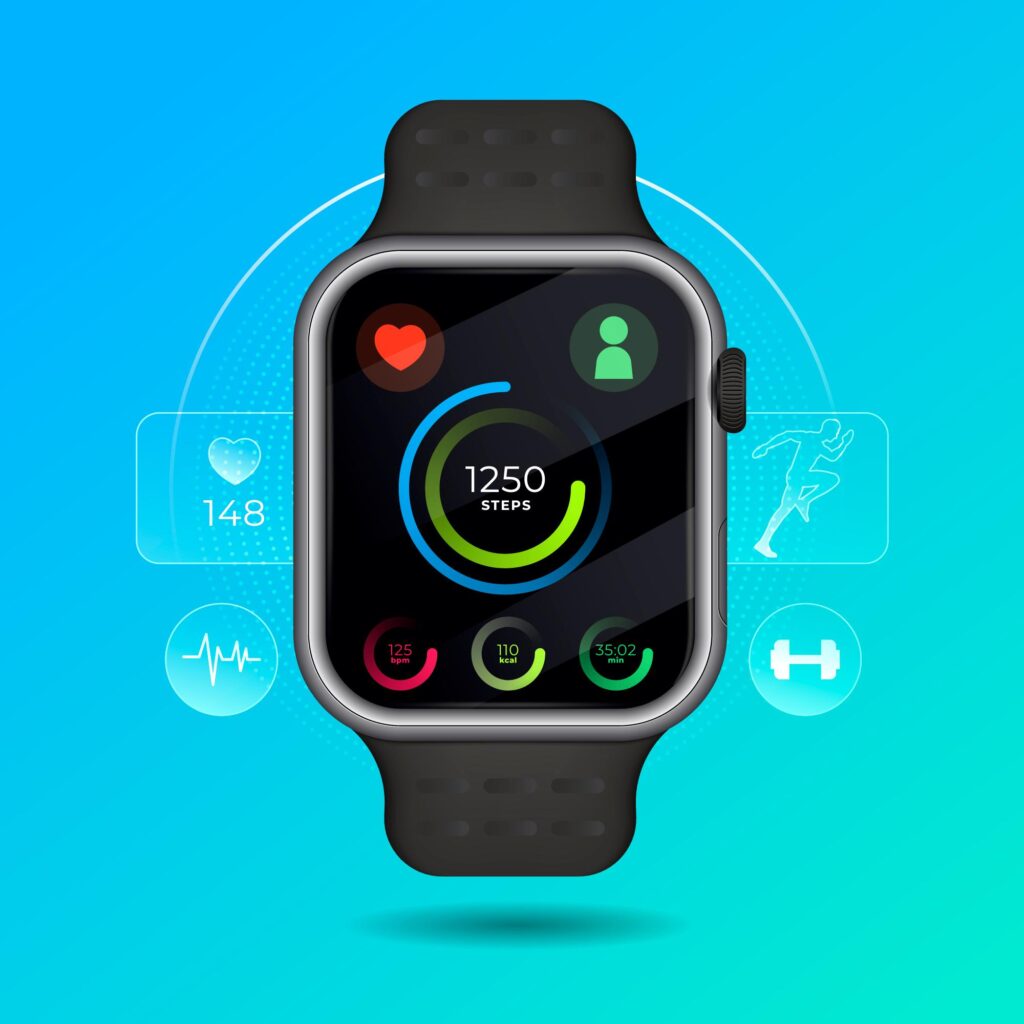
Technology has quietly become one of the best companions for healthy aging. Smartwatches, fitness trackers, and even discreet biosensor patches now help older adults monitor heart rate, activity, and sleep — often in real time. The purpose isn’t to replace your doctor; it’s to give you and your care team clearer information between visits.
Why Trust Matters
Because these devices collect personal health data, safety starts with privacy and reliability. The FDA now requires clinical-grade wearables to meet accuracy standards before they can be marketed for medical monitoring. Experts stress that all transmitted data should be encrypted during transfer and storage to comply with HIPAA protections. Seniors have been targets of counterfeit-device scams, so it pays to buy only from verified retailers and check for firmware updates that address known vulnerabilities. These simple precautions turn a gadget into a trusted health ally.
Setting Up for Success
Modern wearables are designed to be friendly. Pairing usually means enabling Bluetooth and opening the brand’s companion app — Apple Health, Fitbit, or Garmin Connect. After entering age and weight, the device calibrates automatically. Keep it charged (nightly for a smartwatch, weekly for a tracker) and synced so your steps, heart rhythm, or sleep patterns remain accurate. Most apps will also let you share selected data directly with your doctor’s portal.
Making the Most of Your Device
For consistent tracking, experts recommend wearing your device throughout the day, removing it only for bathing or charging. Large-face models with tactile buttons or audible alerts are ideal for anyone with limited vision or dexterity. Regularly reviewing results with a healthcare professional keeps data in perspective and prevents unnecessary worry about fluctuations. Shared properly, these readings can support remote monitoring and faster responses to potential issues.
Choosing What Fits You
Not all wearables are created equal:
• Smartwatches combine wellness tracking, messaging, and emergency SOS features but need frequent charging.
• Trackers focus on steps and sleep with longer battery life and lower cost.
• Medical-alert bands specialize in 24/7 emergency connectivity with simple one-button operation.
Think about what you truly want — convenience, simplicity, or constant reassurance — and pick accordingly.
What’s Next
The newest generation of devices adds AI-driven fall detection, arrhythmia prediction, and integration with clinician dashboards for real-time alerts. Lightweight rings and skin patches are emerging for people who prefer something less visible. For seniors who once felt left out of the tech revolution, these advances make health management both accessible and empowering.
Download: Smart Health Overview Guide (PDF)
Next Read: Smartwatches vs Trackers vs Medical Alert Bands — Which Is Right for You?
Educational only. The information on seniortownhall is provided for general educational purposes and is not financial, legal, tax, medical, insurance, or investment advice. Rules (e.g., Social Security, Medicare, tax law) change frequently and may have changed since publication.
Please consult a qualified professional who can consider your individual circumstances before acting on any information.
© 2026 seniortownhall. All rights reserved.