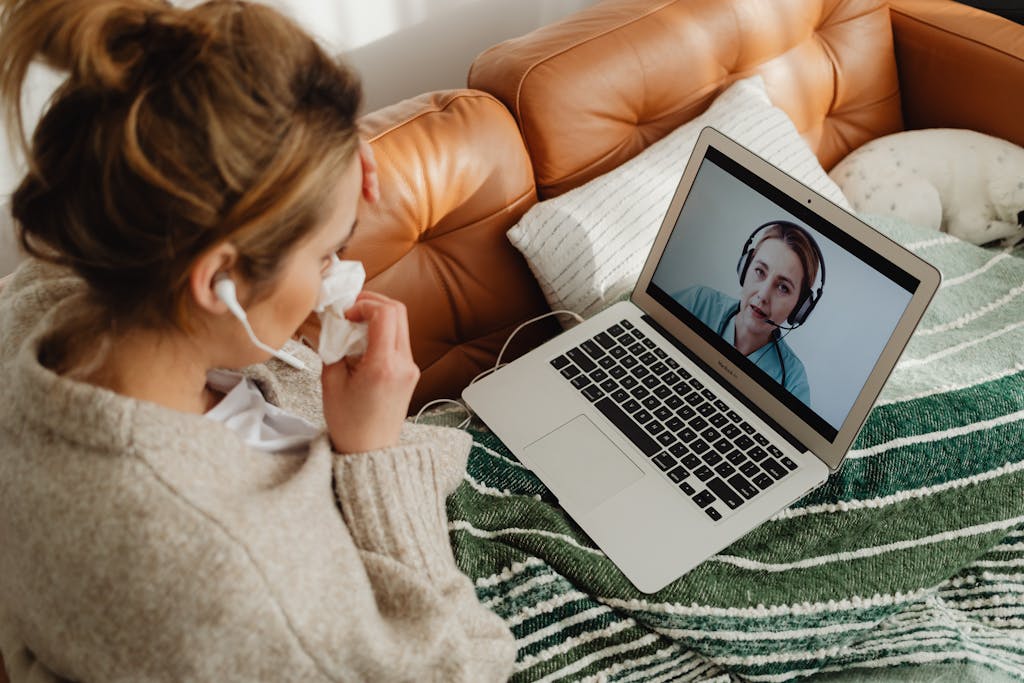
How Seniors Can See Their Doctors from Anywhere
Not so long ago, “seeing the doctor” meant driving across town, sitting in a waiting room, and juggling appointments. Today, technology makes it possible to visit a physician without leaving your living room. Telehealth and virtual visits give seniors a convenient, safe way to stay in touch with their care team—especially for routine check-ins, medication adjustments, or chronic-condition monitoring.
What Telehealth Really Means
Telehealth is the broad term for remote healthcare. It can include:
• Video or phone visits with your doctor
• Remote monitoring of vitals such as blood pressure or glucose
• Secure messaging through patient portals
• Online prescription renewals
According to HHS, more than 60 percent of older adults used telehealth at least once in 2024, and satisfaction scores rivaled in-person care—especially for follow-ups or routine management.
Safety First: Protecting Your Information
Privacy is one of the top concerns for seniors. Federal law requires all telehealth systems to use HIPAA-compliant, encrypted video platforms that safeguard your medical records.
To stay safe:
• Verify that your provider uses a secure platform (never FaceTime or public apps).
• Never pay fees or share credit-card details outside the provider’s official portal.
• Conduct your visit from a private space where others can’t overhear.
• Watch for scams—legitimate clinics will never ask for gift-card payments or your card’s CVV code.
These steps keep your personal data protected and your experience worry-free.
Preparing for a Virtual Visit
You don’t need to be a tech expert—just a few minutes of setup can make your appointment smooth.
• Test your camera and microphone ahead of time.
• Check lighting and angle so the provider can see you clearly.
• Ensure a stable internet connection and close unused browser tabs.
• Log in early to avoid rushing.
Many health systems provide a practice link or “tech check” you can try before the real appointment.
Best Practices for Seniors
Organizations such as the National Institute on Aging (NIA) and Institute for Healthcare Improvement (IHI) recommend using the “4 Ms Framework” to guide telehealth for older adults:
1. What Matters: Discuss your goals and concerns first.
2. Medication: Review prescriptions and adherence.
3. Mentation: Address memory or mood changes.
4. Mobility: Share any balance or movement issues.
These four topics help your doctor deliver care that’s personal and effective—even through a screen.
Include Family or Caregivers When Helpful
Having a trusted family member join the call can make the experience easier. Caregivers can take notes, manage technology, or clarify instructions afterward. Most telehealth platforms now allow shared access or multi-participant visits, so everyone stays informed.
When Telehealth Works Best (and When It Doesn’t)
Telehealth shines for:
• Routine medication checks
• Test result reviews
• Chronic condition follow-ups
• Mental-health or counseling sessions
However, in-person visits remain essential for physical exams, bloodwork, imaging, or urgent issues. A good rule of thumb: use telehealth for monitoring, not diagnosing emergencies.
Emerging Trends
Technology keeps improving the experience.
• AI-based “virtual nurses” can triage symptoms before your call.
• Remote monitoring devices like blood-pressure cuffs and glucose meters now sync directly to your doctor’s dashboard.
• Accessibility features—captioning, large-font chat windows, and adjustable audio—make visits friendlier for all users.
These upgrades are helping seniors manage chronic conditions with less travel and greater confidence.
Why It Matters
For many older adults, telehealth isn’t just convenient—it’s empowering. It removes transportation barriers, reduces exposure to illness, and keeps care consistent even when mobility or distance make office visits difficult. In surveys from West Health and NIH, more than 80 percent of seniors reported that telehealth made them feel more connected to their providers, not less.
Bottom Line
Telehealth doesn’t replace your doctor—it extends their reach. Used correctly, it’s one of the simplest ways to stay engaged in your health without sacrificing comfort or privacy. Whether you’re managing medications, checking test results, or getting a second opinion, your home can now double as your doctor’s waiting room.
Download: Telehealth Visit Preparation Checklist (PDF)
Next Read: Getting the Most from Telehealth – Setup, Safety, and Choosing the Right Platform
Educational only. The information on seniortownhall is provided for general educational purposes and is not financial, legal, tax, medical, insurance, or investment advice. Rules (e.g., Social Security, Medicare, tax law) change frequently and may have changed since publication.
Please consult a qualified professional who can consider your individual circumstances before acting on any information.
© 2026 seniortownhall. All rights reserved.